

The best outdoor home improvement gifts do more than fill a corner of the garden. They remove a recurring annoyance, make an overlooked space useful, or give the recipient a reason to spend more time outside. That is why a well-chosen deck upgrade, including carefully planned composite balustrades, can be a more meaningful present than another decorative object that needs dusting by spring.
This guide focuses on improvements with a long tail of value. Some produce food, some save effort, and others make a patio or path safer and more comfortable. The common thread is simple: they should still be useful after the novelty of opening the gift has disappeared.

Table of Contents
- How to choose a gift that lasts
- Gifts that make the garden more productive
- Improvements for comfort and everyday use
- The maintenance question people forget
- A quick comparison of long-term outdoor gifts
- Frequently asked questions
How to choose a gift that lasts
Start with the property, not the catalogue. A gift can be beautifully made and still fail if it does not suit the space, the climate, or the recipient’s habits. A keen gardener may value a properly built growing bed; someone who rarely plants anything may get far more use from a hose reel, a shaded seating area, or low-glare path lighting.
Before buying, check five practical details:
- Available space: measure the intended area, including room to open gates, move furniture, or walk around a bed.
- Exposure: note sun, wind, rain, and whether the improvement will sit on soil, paving, timber, or concrete.
- Maintenance: ask whether the recipient wants a project or wants the garden to become easier.
- Access to services: lighting may need a power source, while irrigation equipment may depend on a nearby tap.
- Permission and safety: fixed structures, electrical work, and changes near a boundary may need local checks before installation.
My rule is to favour gifts that improve a routine already happening. If someone waters plants every evening, make watering tidier. If friends gather on the patio, improve shade and seating. If the household is always repairing a slippery or exposed edge, address that problem rather than adding another ornament.
Gifts that make the garden more productive
Raised beds with the right soil plan
A raised bed is a gift with a visible payoff: it turns an unused patch into a growing space and makes planting easier to organise. It can be especially helpful for people who find ground-level gardening uncomfortable, although the height should be chosen around the recipient rather than assumed to be better.
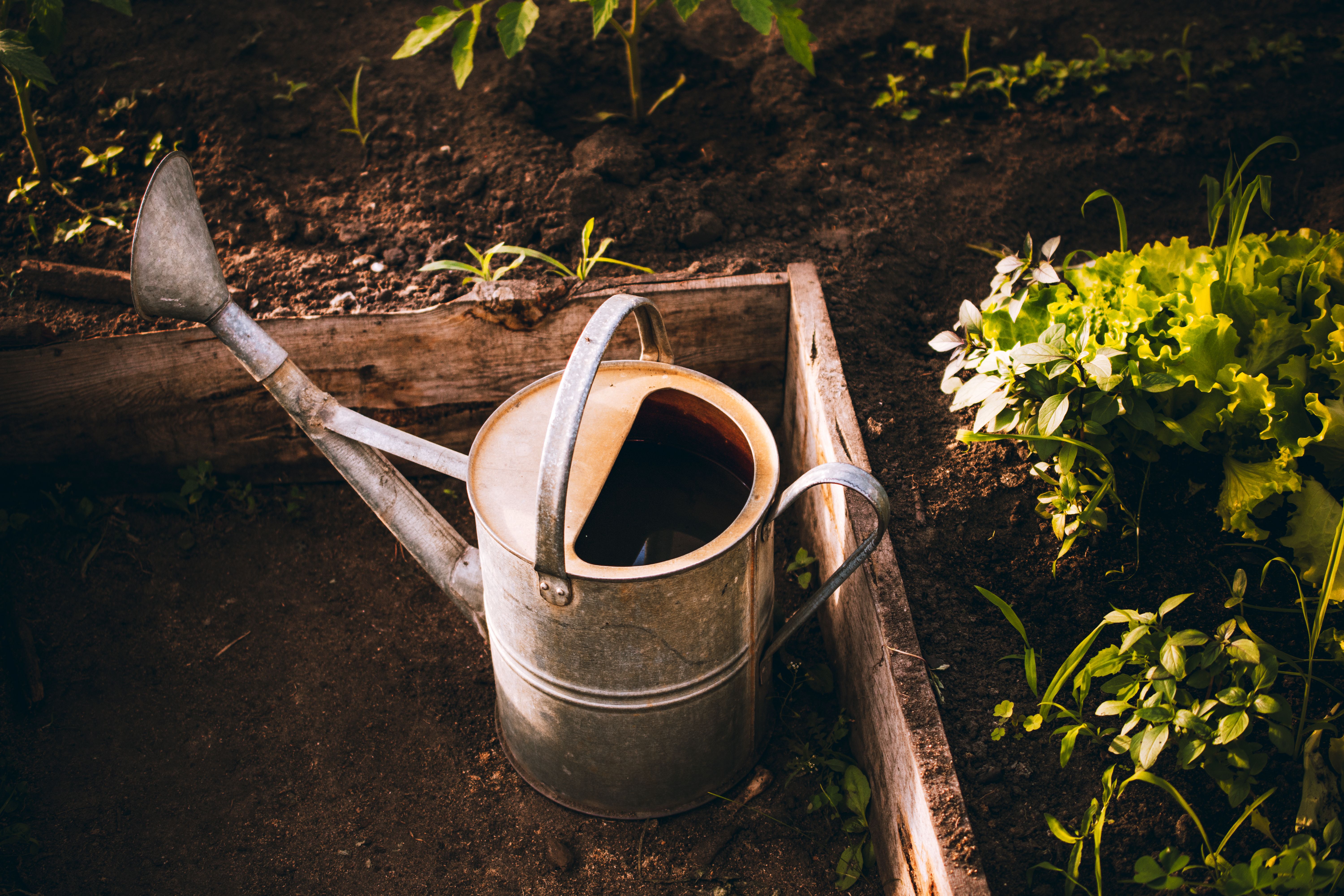
The important part is not the empty frame. Raised beds act like containers and can dry out faster than surrounding ground. The University of Minnesota Extension recommends a soil mix based largely on topsoil and plant-based compost, while warning that excessive compost can create problems with water retention and nutrient buildup. Its guidance also notes that raised beds should be watered close to the soil to reduce splashing on leaves. See the University of Minnesota Extension guide to raised-bed gardens before choosing a filling mix.
A thoughtful gift can therefore include:
- A sturdy bed with a width that allows the gardener to reach the centre without stepping into it.
- A soil delivery or a voucher for suitable topsoil and compost.
- A simple soaker hose or drip system if the bed is far from the tap.
- Seasonal seeds, labels, and a low-maintenance planting plan.
Rainwater collection and practical watering
A rain barrel is less glamorous than a new planter, but it can become one of the most frequently used improvements in a garden. It stores roof runoff for later use on lawns and plants, reducing the need to carry watering cans from the house or run a hose every time the soil dries.
The U.S. Environmental Protection Agency explains that rain barrels capture roof runoff and can reduce water flowing from a property into drainage systems. It also cautions that roof water may pick up contaminants, so local advice matters if the water will be used on edible crops. The EPA’s rain barrel guidance is a useful starting point.
Choose a model with a secure lid or mesh screen, an overflow route, and a tap that can accept the recipient’s preferred hose or watering can. The best installation is not simply the largest container; it is one that can be emptied and maintained without creating a damp patch beside the house.
Fruit trees, perennial herbs, and useful planting
Plants can be excellent long-term gifts when they are matched to the conditions. A fruit tree may become a seasonal ritual, while perennial herbs can replace repeated purchases of small supermarket packets. However, a plant is not automatically low-maintenance: mature size, pollination needs, soil, and winter conditions all matter.
For a safer choice, give the plant with information rather than presenting it as a guaranteed success. Include its eventual spread, preferred light, watering expectations, and whether it needs a second variety nearby. The gift then becomes a small, usable plan instead of a pot with an optimistic label.
Improvements for comfort and everyday use
A shaded seating zone
A pergola, retractable shade, or well-positioned outdoor furniture can change how a garden is used. The value is not in having more chairs; it is in creating a reliable place for breakfast, reading, conversation, or watching children play.
Look for furniture that can be repaired or maintained rather than treated as disposable. Replaceable covers, accessible fixings, stable feet, and a realistic storage plan matter more than a trend-led finish. If the recipient has limited storage, choose pieces that can remain outside safely or stack without becoming a daily chore.
A wall-mounted hose reel
Hoses are rarely difficult because they are complicated. They are difficult because they end up tangled, wet, and in the path of a lawn mower or someone carrying groceries. A wall-mounted reel gives the hose a home and shortens the effort between deciding to water and actually watering.
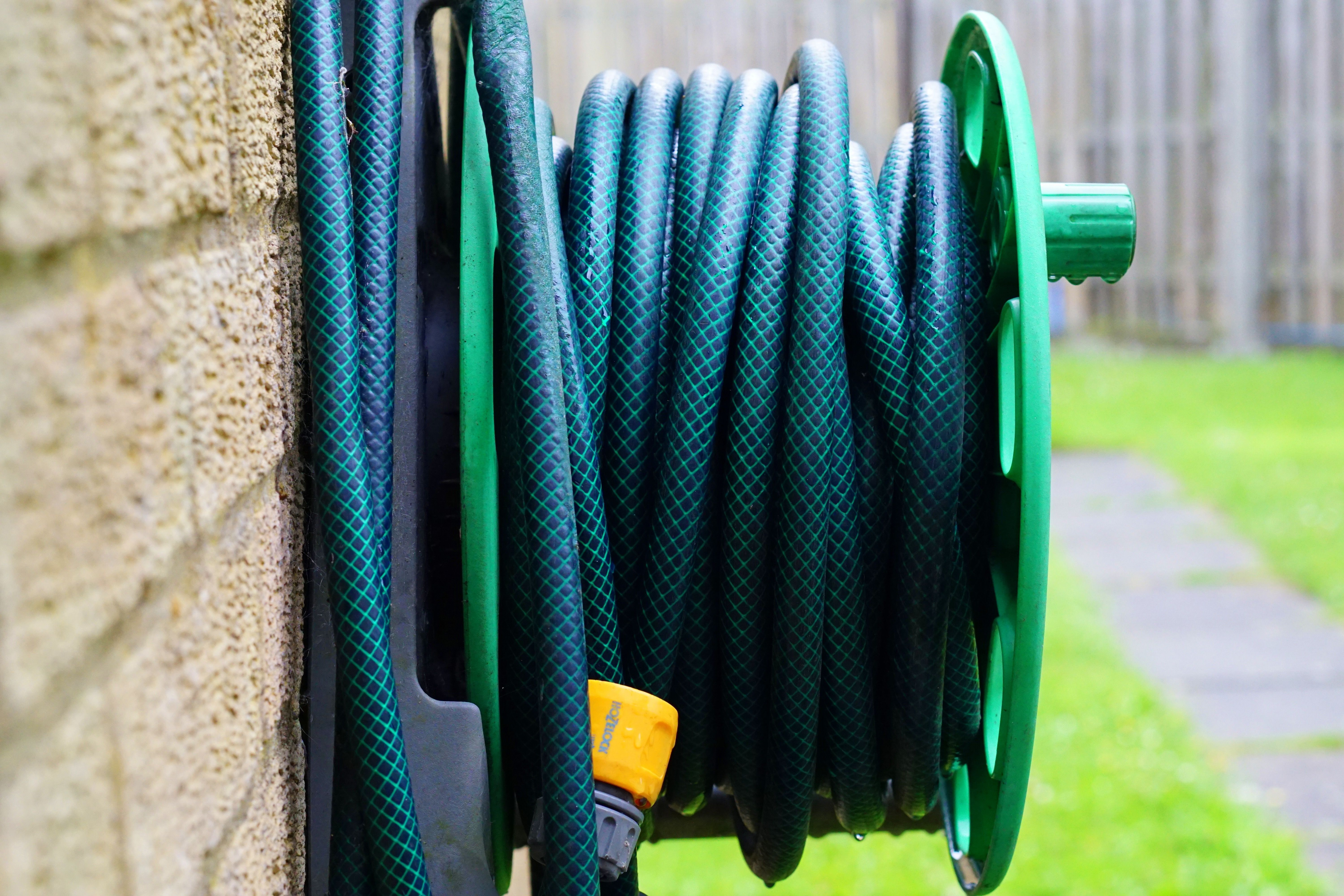
Check the wall material and fixing method before buying. Brick, timber, rendered walls, and lightweight cladding require different anchors, and a reel mounted too high can be awkward for the person using it. A useful bundle might include a spray nozzle with several simple settings, spare washers, and a short guide to draining the hose before frost.
Low-glare outdoor lighting
Good lighting makes steps, entrances, and paths easier to navigate while extending the useful hours of a patio. The strongest gift is usually modest: a few correctly positioned fixtures aimed at walking surfaces, rather than a brightly lit garden that competes with every window.
The U.S. Department of Energy’s guidance on energy-efficient exterior lighting highlights LED fixtures and automatic controls as ways to reduce operating costs and avoid leaving lights on unnecessarily. In practice, look for warm, shielded fixtures, timers or motion sensors where appropriate, and a layout that avoids glare into neighbouring homes.
The maintenance question people forget
Longevity is partly a materials question, but it is also a behaviour question. A cheaper item that is easy to inspect and repair may outlast an expensive one that requires specialist parts or awkward seasonal storage.
Give the recipient a small maintenance card with the gift. It can say:
- What to clean and how often.
- Which parts are replaceable.
- What should be stored or drained before freezing weather.
- Where water should run during heavy rain.
- Which signs mean a professional should inspect the installation.
There is a sensible counterargument to all this: sometimes the nicest gift is the one that asks nothing of its owner. That is fair. A permanent improvement is a poor present for someone who sees weekend maintenance as a second job. I would choose a service, installation, or repair voucher in that case. Paying for a gardener to build and fill a bed, or for a professional to fit lighting safely, may be more generous than handing over a box of parts.
A quick comparison of long-term outdoor gifts
The table below is designed to expose the trade-off that product lists often hide: every durable improvement gives something back, but each asks for a different kind of upkeep.
| Gift | Best long-term benefit | Ongoing responsibility | Check before buying |
|---|---|---|---|
| Raised bed | Food, flowers, and easier access to planting | Watering, seasonal soil care, and crop planning | Sunlight, reach, drainage, and soil source |
| Rain barrel | Stored water for routine garden use | Screen cleaning, overflow management, and winter care | Downspout position, local rules, and safe overflow |
| Hose reel | Faster, tidier watering | Draining, checking seals, and protecting from severe frost | Wall type, tap location, and user height |
| Patio shade and furniture | More comfortable outdoor living | Cover cleaning, fixing checks, and storage decisions | Wind exposure, footprint, and replacement covers |
| Outdoor lighting | Safer movement and longer evening use | Cleaning, lamp or fixture checks, and timer adjustment | Power access, glare, drainage, and installation requirements |
Frequently Asked Questions
A gift that changes the next ordinary day
The most successful outdoor improvement gifts are easy to recognise months later, not because they still look new, but because they have become part of the household’s routine. The hose is where it should be. The herbs are within reach. The patio is comfortable after sunset. Water is available when the forecast stays dry.
That is the useful definition of “keeps giving”: not endless novelty, but a small improvement that continues to save time, produce something, or make home feel more usable. Choose for the recipient’s real habits, plan for the maintenance, and the gift can become part of the property rather than another object competing for space.