
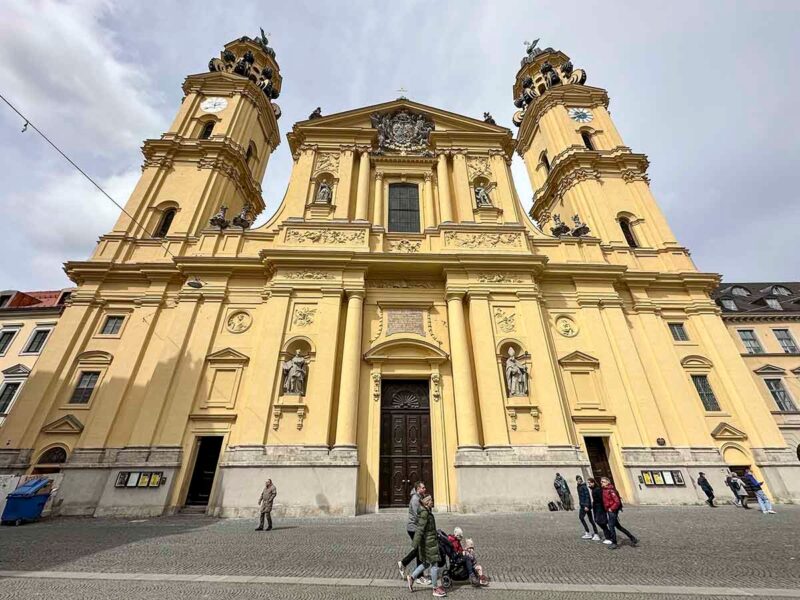
Munich is one of those cities that feels structured and relaxed at the same time. It has a strong identity built on history, tradition, and a very modern way of living. First time visitors often expect only beer halls and Oktoberfest energy. The reality is broader and more nuanced. You get elegant architecture, efficient transport, quiet green spaces, and a culture that values order without losing warmth.
A well planned visit makes a big difference. Munich rewards visitors who understand how the city works rather than rushing through landmarks.
Understanding Munich’s Atmosphere and Lifestyle
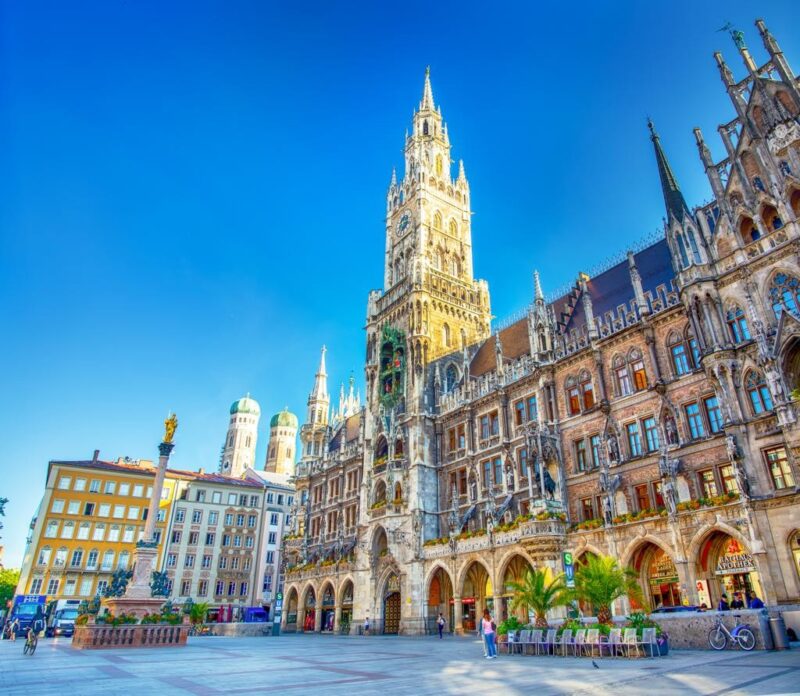
Munich is known for structure and discipline. Public spaces are clean, people follow rules, and schedules matter. That does not mean the city feels rigid. There is a calm rhythm that becomes obvious after a day or two.
Daily life often revolves around a few simple patterns:
- Mornings tend to be quiet, with bakeries and cafés opening early
- Midday is efficient, especially in business districts
- Evenings shift toward social time, especially in beer gardens
You might also notice services and experiences tailored to different lifestyles. For example, if you are researching premium nightlife or private companionship options, you may come across services such as escort service München while browsing local listings. These are part of the broader urban ecosystem, just like fine dining or boutique hotels, and reflect how diverse the city’s offerings can be.
The key takeaway is simple. Munich is not just a tourist destination. It is a functioning city with clear expectations.
Getting Around Without Stress
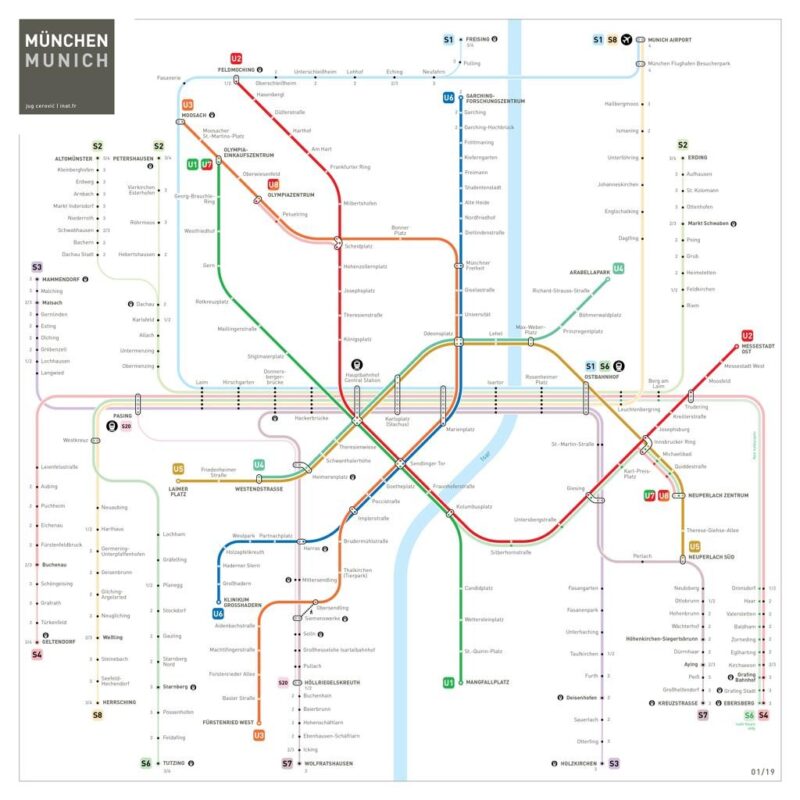
Public transportation in Munich is reliable and easy to understand. The system includes U Bahn, S Bahn, trams, and buses. All connect smoothly.
If you are visiting for the first time, keep these basics in mind:
- Buy a day ticket if you plan multiple trips
- Validate your ticket before entering platforms
- Use apps for route planning instead of guessing
Walking is also a strong option. The city center is compact, especially around Marienplatz. Many major attractions are within a short distance.
Taxis and ride services are available, though more expensive. Renting a bike is common and often the most efficient way to move through parks and quieter neighborhoods.
Where to Stay for Your First Visit
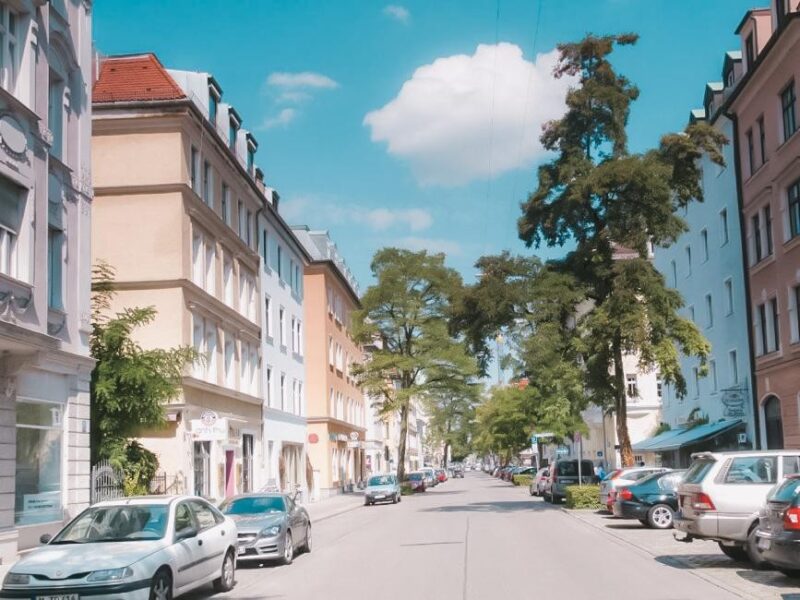
Choosing the right area shapes your entire experience. Munich has several districts that work well for first time visitors.
Altstadt and Lehel place you right in the center. You stay close to historic sites, restaurants, and shopping streets.
Maxvorstadt feels more intellectual. Museums, galleries, and universities define the atmosphere.
Schwabing offers a relaxed and creative environment. It works well if you prefer cafés, parks, and a slower pace.
When selecting accommodation, consider proximity to public transport. Even a slightly cheaper hotel outside the center works well if it connects to a U Bahn line.
What to See Without Rushing
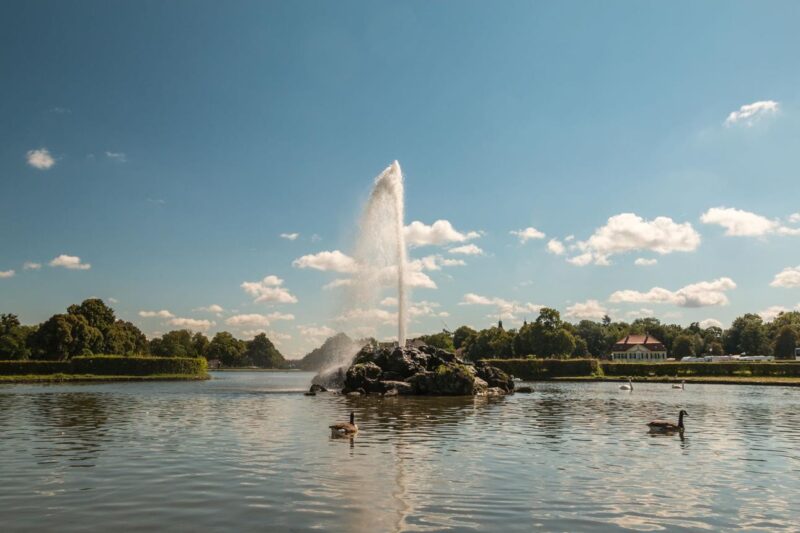
Munich has many attractions, but trying to see everything in two days leads to fatigue. A focused approach works better.
Start with the essentials:
- Marienplatz and the Glockenspiel for a central introduction
- Nymphenburg Palace for history and architecture
- English Garden for relaxation and local culture
- BMW Museum for a modern perspective
Spacing these visits across several days keeps your schedule manageable.
Museums deserve extra attention. Munich has world class collections, especially in art and science. If you enjoy cultural experiences, dedicate at least half a day to one major museum instead of rushing through several.
Food and Drink Expectations

Food in Munich reflects Bavarian traditions. Portions are large, flavors are straightforward, and quality is consistent.
Typical meals include sausages, roasted meats, pretzels, and potato based dishes. Beer is part of the experience, not just an optional drink.
Here is what first time visitors should understand:
- Beer gardens are social spaces, not just dining areas
- Sharing tables with strangers is normal
- Tipping is expected but moderate
If you want variety, the city also offers international cuisine. Italian, Asian, and Middle Eastern restaurants are easy to find.
Reservations are recommended for popular places, especially in the evening.
Cultural Rules That Matter
Munich operates on clear social rules. Ignoring them creates unnecessary friction.
A few guidelines make your stay smoother:
- Always wait for the green light at crossings
- Keep noise levels low in residential areas
- Follow recycling rules if staying in apartments
Punctuality is taken seriously. Being late for reservations or tours can lead to missed opportunities.
Politeness is direct rather than overly expressive. Simple greetings and clear communication are appreciated.
Best Time to Visit
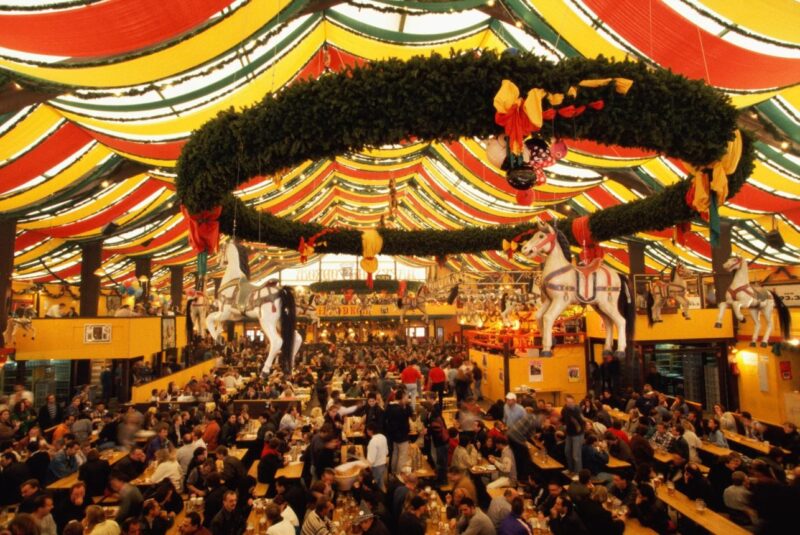
Each season offers a different experience.
Spring brings mild weather and fewer crowds. It is a good time for walking and sightseeing.
Summer is lively. Beer gardens are full, parks are active, and the city feels open.
Autumn attracts visitors because of Oktoberfest. Expect higher prices and large crowds.
Winter offers Christmas markets and a quieter atmosphere. Temperatures drop, but the city remains active.
Choosing the right season depends on your priorities. If you want balance, late spring or early autumn works best.
Practical Tips That Save Time
First time visitors often overlook small details that make a big difference. A few adjustments improve your experience immediately.
- Carry cash since smaller places may not accept cards
- Learn basic German phrases for easier interactions
- Check store closing times, especially on Sundays
Planning day trips also adds value. Nearby locations such as castles and lakes are easy to reach by train.
Internet access is reliable in hotels and cafés, though public Wi Fi may be limited in some areas.
Final Perspective
Munich is not a city that overwhelms visitors with chaos or constant noise. It offers a structured environment where everything works as expected. That alone reduces stress and allows you to focus on enjoying the experience.
A first visit should not be about checking every attraction off a list. A slower approach leads to better understanding of the city’s rhythm, its culture, and its everyday life.
If you adapt to how Munich operates, the city becomes easy to navigate and surprisingly comfortable even for short stays.